Source Weight Loss Injector Pen for Skin Care, Home Use, Slimming
Compare 30 weight loss injector pen options from verified Chinese manufacturers. Buyers can evaluate features like disposable or reusable designs, variable dosages, and sterilization methods to find the right solution for skin care and home use applications; compare the available evidence and request quotations based on your requirements.
Key considerations
Products List







Comprehensive Sourcing Guide
Weight Loss Injector Pen Sourcing Guide
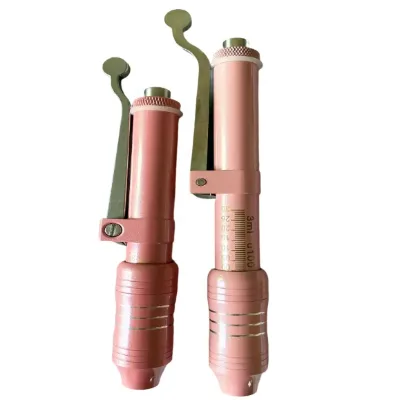
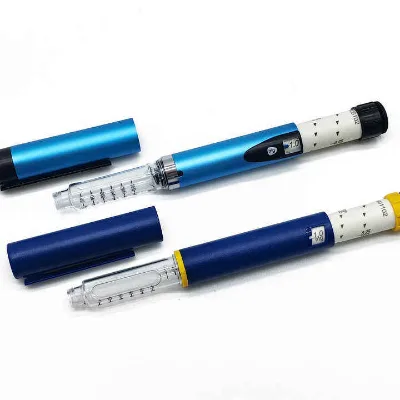
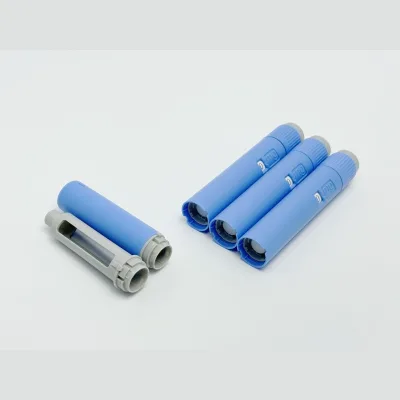
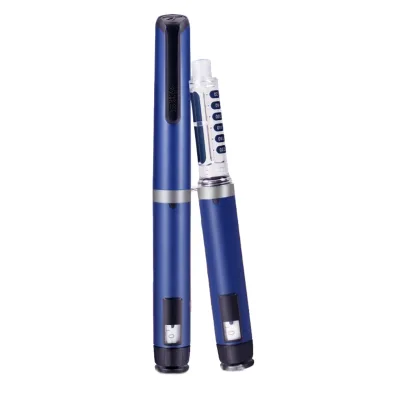
The global market for weight loss injector pens has expanded significantly, driven by the demand for portable, disposable, and reusable delivery systems designed for adult use. These devices typically utilize standard 3ml cartridges and are engineered for home application, offering a convenient alternative to clinical settings. Buyers must distinguish between models that feature variable dosing capabilities and those restricted to specific fixed ranges, as this directly impacts the versatility of the product for different therapeutic protocols.
Procurement strategies must account for the diverse material compositions observed, ranging from standard plastics to specific PP/PS blends that ensure chemical compatibility with injectable solutions. The market presents a wide spectrum of customization options, including logo printing, color variations, and packaging formats, which allows buyers to tailor products to specific brand identities. Understanding these variations is essential for selecting a device that aligns with both regulatory requirements and end-user expectations for a seamless home care experience.
Product Scope and Observed Listing Signals
Buyers should carefully analyze the observed price range of 0.97 to 18.42 USD, as this variance often reflects differences in material quality, sterilization methods, and the inclusion of advanced features like external rotation mechanisms. Listings frequently highlight the "Disposable Pen Injector" technology, yet some entries also describe reusable instruments, creating a potential point of confusion that requires immediate clarification with the supplier. It is critical to verify whether the specific unit being sourced is intended for single-use or multi-use scenarios to ensure it meets the intended clinical or home-care application.
The product listings indicate a broad range of customization capabilities, including variable colors and the option for original or custom packaging, which suggests a mature supply chain capable of meeting diverse branding needs. However, the presence of conflicting data points, such as varying origin locations listed as Zhejiang or Shandong, necessitates a rigorous verification of the actual manufacturing site. Buyers must confirm the specific model number, such as AC006 or KL-0001, to ensure the product specifications match the intended dosage range and needle diameter requirements for their specific market segment.
Technical Specifications to Verify
Technical due diligence must focus on the precise dosage range capabilities, as observed data includes values ranging from 1-60iu up to 1-80iu and specific milligram increments like 0-2.5mg to 10mg. These variations dictate the suitability of the pen for different active ingredients and therapeutic goals, making it imperative to confirm the exact dosage mechanism before placing an order. The needle diameter is another critical specification, with listings citing 31g, 32g, or smaller gauges, which directly influences patient comfort and the precision of the injection process.
Verification of the injection method is equally vital, as the market offers both external rotation and press injection technologies that operate on fundamentally different mechanical principles. Buyers must ensure the selected device aligns with the intended user's dexterity and the specific administration protocol required for the weight loss agent. Additionally, the primary container size is consistently noted as a standard 3ml cartridge, but the compatibility of this container with the pen's internal mechanism must be validated to prevent leakage or dosing errors during operation.
Compliance and Safety Documentation
Regulatory compliance is paramount for Class III instruments, which are subject to the most stringent safety standards in the medical device industry. Buyers must request evidence of ISO9001 and ISO14001 certifications to confirm that the manufacturer maintains robust quality management and environmental systems. The distinction between products with and without Ethylene Oxide sterilization is a critical safety factor that must be explicitly documented, as this process is often required for devices intended for invasive procedures or direct skin contact.
Safety standards in this sector often reference OEM/ODM protocols, but these are not substitutes for specific product safety certifications. Procurement teams must verify that the device meets the relevant national or international safety standards for its intended classification and application. The absence of a specific safety standard in a listing should trigger a request for the manufacturer's test reports and compliance declarations to ensure the product does not pose a risk to the end-user during home administration.
Cost Drivers and Commercial Terms
The commercial landscape for these devices is influenced heavily by the Minimum Order Quantity (MOQ), which ranges from 1 to 10,000 units, allowing for flexibility in procurement strategies for both startups and established distributors. The unit price is further affected by the level of customization, such as logo printing and color selection, which often incurs additional tooling or setup costs. Buyers should negotiate based on the total volume and the complexity of the customization to secure the most favorable pricing structure.
Packaging and logistics represent significant cost drivers, with observed packing configurations ranging from 300 to 400 pieces per case. The choice between original and custom packaging can impact shipping efficiency and final retail presentation, requiring a careful cost-benefit analysis. Additionally, the quality guarantee period of two years is a standard offering that should be explicitly included in the commercial terms to protect against manufacturing defects and ensure long-term reliability for the buyer's customers.
Supplier Qualification and Quality Control
Supplier qualification requires a thorough assessment of the manufacturing origin, with observed locations including Zhejiang and Shandong in China, regions known for their medical device manufacturing capabilities. Buyers should verify the supplier's production capacity and their ability to maintain consistent quality across large batches, especially given the wide range of observed model numbers and specifications. A robust quality control process is essential to ensure that every unit meets the specified dosage and mechanical performance standards.
Quality assurance protocols must include a review of the supplier's track record regarding the two-year quality guarantee and their response to potential product failures. The ability to provide detailed documentation on the production process, including material sourcing and sterilization validation, is a key indicator of a reliable partner. Buyers should also assess the supplier's flexibility in handling custom orders, as the market demand for personalized branding and specific technical configurations is high.
Long-Term Procurement Checks
Establishing a long-term procurement relationship involves regular audits of the supplier's adherence to the agreed-upon specifications and quality standards. Buyers must implement a system for monitoring the consistency of the product, particularly regarding the dosage range and needle diameter, which are critical for patient safety and efficacy. Continuous communication with the supplier is necessary to address any changes in manufacturing processes or regulatory requirements that could impact the product's compliance status.
Future-proofing the supply chain requires staying informed about emerging trends in weight loss technology and the potential evolution of regulatory standards for Class III devices. Buyers should maintain a strategic inventory of critical components, such as the 3ml cartridges, to mitigate supply chain disruptions. Regular performance reviews of the supplier's delivery times and product quality will ensure that the procurement strategy remains aligned with market demands and business objectives over the long term.
FAQs
What is the injection dose range for these pens?
The injection dose range is variable, typically spanning from 1-60iu up to 80iu or specific milligram amounts like 75mg. This flexibility allows users to adjust dosages according to their specific weight loss protocols. The device supports precise measurement, ensuring accurate administration of the required medication volume for effective treatment outcomes.
Can these pens be customized with a logo?
Yes, customization is available, including options for logo printing. Buyers can choose between with or without logo printing based on their branding needs. The pens also offer multicolor or customized color options, allowing for distinct visual identification. This service supports private labeling and specific market positioning requirements for distributors.
What material are the injector pens made from?
The injector pens are primarily made from plastic, specifically PP or PS materials. These materials ensure durability and safety for single-use or reusable applications depending on the specific model. The construction supports the standard 3ml cartridge compatibility, providing a reliable and sterile environment for storing and administering the weight loss medication safely.
Are these pens sterile and safe for home use?
Sterilization options vary, with some models featuring Ethylene Oxide Sterilization while others do not. The pens are classified as Class III instruments, indicating high safety standards. Designed for home use and skin care applications, they ensure safe administration. Buyers should verify the specific sterilization status of the selected model to meet their regulatory and safety requirements.
What is the minimum order quantity for these pens?
The minimum order quantity ranges from 1 to 10,000 units, offering flexibility for various buyer sizes. This wide range accommodates both small trial orders and large-scale commercial purchases. The packaging is typically in cartons, with specific case quantities like 300 or 400 pieces, facilitating efficient logistics and inventory management for international distributors and wholesalers.
Where are these weight loss injector pens manufactured?
These pens are manufactured in China, with specific origins noted in Zhejiang and Shandong provinces. This location provides access to established manufacturing hubs known for medical device production. The products comply with ISO9001 and ISO14001 quality certifications, ensuring consistent manufacturing standards. Buyers can rely on these regional sources for reliable supply chain integration and quality assurance.